
There are many ways to ensure your table saw works properly. Push sticks, maintaining the fence aligned and making sure your blade is at an appropriate depth are some of the tricks you can use with your table saw. Other tips can be based on your experience and will increase your cutting success. These and other tips are available in the following article. Remember to practice! Once you read this article, your skills will improve. Regardless of what kind of material you're cutting, you'll be amazed at how many of them you've never thought of using!
Push sticks
Push sticks are an excellent way to increase safety when working on a table saw. Store-bought push sticks can be made of hard plastic which can crack and fracture when the blade strikes them. Instead, purchase one that is made of ABS plastic or fiber-filled nylon. Avoid aluminum push sticks as they can throw flak back at you when they hit the blade. Instead, buy one that is at least 1/4 inch thick.
Blade depth
When using a table saw, the blade depth should be measured in millimeters. This measurement is not required. The CPSC staff reviewed all data and concluded that the voluntary standard had no effect on safety. The following are important points to consider when choosing table saws. Blade depth should be no more than 4 mm below the surface of the skin. In addition to the blade depth, the other dimensions of the blade should be considered as well, such as the length and width of the saw.
Fence alignment
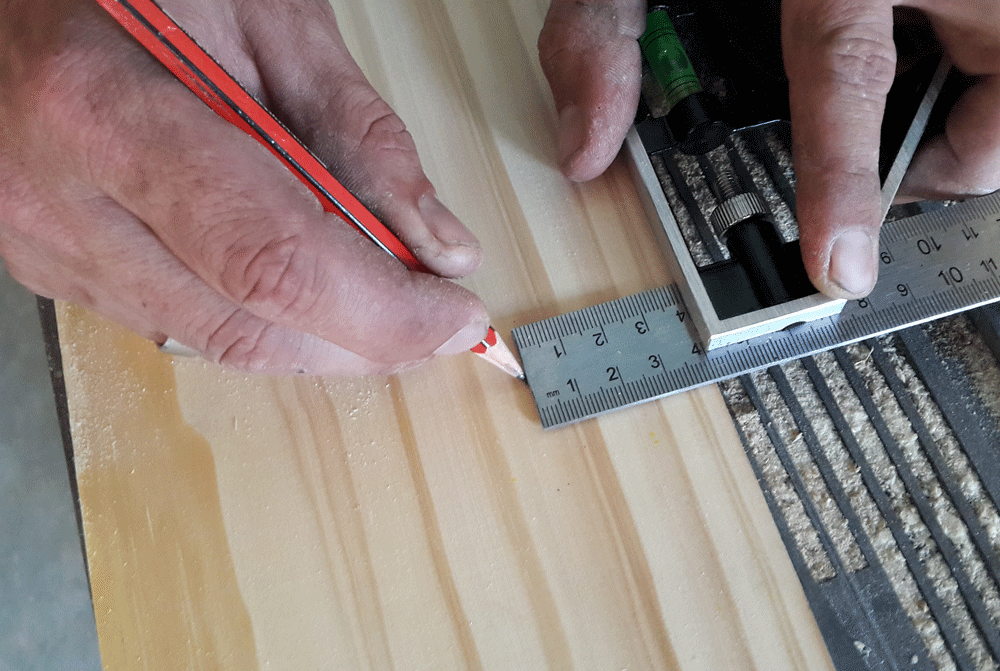
You should check the alignment of the fence every so often when you use a table saw. The width of the fence should be between fifteen and twenty percent of its depth. It is therefore important to align your fence often. Aligning your table saw's fence properly is essential for obtaining great cuts. For this purpose, you will need a scrap of wood, feeler gages, or a solid measure tool. To measure the fence, simply bring it to within a few inches from the blade. To check whether it's perfectly aligned, feel along the blade's tooth and use it to measure the distance.
Bridle joints
A bridle joint is a versatile tool for creating joinery. It can be used in many woodworking projects. Bridle joints have many benefits, such as strength, ease of machine, and a finished look. The downside of this joinery is that it is rarely used in furniture. A mortise-and-tenon joint is another example. To create a bridle joint, you must first make a mortise on one piece of wood and a tenon on the other piece. Once you've made the mortise on one piece of wood, you can glue them together.
Outfeed jig
Outfeed tables are a great way for you to expand your workspace's flexibility, regardless of whether you're starting a DIY or remodeling an existing tablesaw. You can make an outfeed stand for a larger table by drilling miter slots in the outfeed table's base. Next, install an outfeed tool on it to adjust your table saw's height.
Blade guard
These Blade Guard table saw techniques will ensure your fingers are safe while you're cutting wood. First, imagine the cut's trajectory. To avoid kickback the blade may grab your part if you place it in an unnaturally awkward position. Crosscutting can be used to avoid workpiece sticking to the blade. Crosscutting is a technique that can be used to keep you one step ahead of your wood.
Dust collection
There are many options for dust collection when you use a table saw. Dust collection is crucial, whether you're building a cabinet or completing a home remodel. A dust collection system should be fitted to your table saw's dust port. These systems capture most of the sawdust created during work. They keep your work area clean so you can breathe easily. Table saw dust collection systems are constructed from heavy-duty fabric, and feature a strong zipper. The best tablesaw dust collector bags can collect up to 70% of dust produced by the machine.
FAQ
How can I learn basic woodworking skills
A great way to start learning how to build furniture is by building a simple bench for yourself. You can use any wood you have in your home to complete this project. If you don't know what kind of wood to use, then go ahead and buy some cheap pine boards from Home Depot or Lowes. After you've constructed your bench you'll want sand all the rough edges off and varnish it.
What is the difference between plywood and particle board?
Plywood is made up of layers of wood pressed together under pressure. Plywood is available in a variety of thicknesses. It is often used to make cabinets or flooring. Particle board can be made from sawdust, resin, and then compressed to make large blocks. It's commonly used for home improvement projects. Both boards can be cut easily and are both durable.
What wooden items sell well?
Wood that has been harvested sustainably is the best-selling type of wood.
Most furniture is made from oak, maple, mahogany or walnut.
These woods are strong and durable, with beautiful grain patterns. They can also last for years if they are properly cared for.
Wooden furniture should always be painted first to protect against moisture damage. This applies to all surfaces, even drawers and doors.
If you want to make sure that your furniture lasts as long as possible, then you should choose a paint that is resistant to water.
Followed by two coats, you should apply a quality oil-based primer. Depending on how often it will be worn, you may need to apply several coats.
Avoid spray cans or aerosol colors. These products contain solvents that evaporate quickly and leave behind harmful fumes.
How can a novice woodworker make it big?
Many people learn how to make furniture in order to set up an online business. However, if you're just getting into furniture building, there are other options than selling on Etsy. You could sell at craft fairs or local events. Or you could offer workshops for others who want to learn how to build their own furniture. Perhaps you have some experience as a carpenter/builder and would like to offer your services, such as remodeling homes and creating custom pieces.
How do you calculate woodworking costs?
When calculating the costs of any project, it is important to keep them as low and affordable as possible. You should always try to make sure that you are getting the best deal on materials. It is important to take into consideration all factors that can impact the cost of your projects. These include time, skill and experience. If you want to get an idea of what you can expect to spend on different types of woodwork projects, check out our guide to the average price of common household DIY tasks.
What is the difference between a hobbyist or a professional woodworker, and how can you tell?
Hobbyists love making things from wood while professionals are more concerned with the quality of their work. Hobbyists take great pride in their creations, and share them with family and friends. Before they start working on a project, professionals will spend hours researching the designs. They'll pay great attention to details, from choosing the most suitable materials to finishing the work perfectly.
What is the minimum amount I will need to start?
Because every project is unique, there aren't exact numbers. But if you want to get an idea of how much money you'll need, consider these factors:
-
Cost of materials
-
Tools and equipment
-
Time spent on the project
-
Your hourly rate
-
What is your expectation for profit?
-
Hire help
If you're just starting out, you may decide to start small by making simple items such as boxes and picture frames. As you gain experience, more difficult projects will become possible.
Statistics
- Overall employment of woodworkers is projected to grow 8 percent from 2020 to 2030, about as fast as the average for all occupations. (bls.gov)
- The U.S. Bureau of Labor Statistics (BLS) estimates that the number of jobs for woodworkers will decline by 4% between 2019 and 2029. (indeed.com)
- Average lumber prices rose about 600 percent between April 2020 and May 2021. (familyhandyman.com)
- Most woodworkers agree that lumber moisture needs to be under 10% for building furniture. (woodandshop.com)
External Links
How To
How to properly use a saw
Hand saws are used to cut the wood into pieces. These saws are most commonly used to cut wood into pieces. A handsaw can be made of metal or other plastic. It cuts through material such as wood and plastics.
A hand saw has the advantage of being able to cut at any angle and without having to adjust the blade. Sharpening them is easy, unlike with power tools. There are also some drawbacks. For example, they are heavy and bulky, so you must be careful when transporting them. Also, if you do not know how to use one, you could easily injure yourself.
There are many different ways to hold a hand saw. While cutting, it is important to keep your hands clear of the blades. If you don't, you might get hurt. Holding the saw in your hands, place your thumbs on the handle and your thumb at the blade's top. This ensures that the blade is not accidentally touched.
You should not place anything underneath the wood you are cutting with a handsaw. Doing so could cause the blade's surface to become uneven. Before cutting, always inspect the area. Check for nails, screws and other objects underneath the wood.
Always wear safety glasses when you use a handsaw. Safety glasses protect your eyes from dust and make it easier to see what the hand saw is doing. Safety glasses also protect your eyes from flying debris.
Before you start working with a saw, it is important to learn how to use it safely. Next, practice until your confidence is high enough to begin cutting. Once you've mastered the basics, you'll find that you can easily cut almost anything!