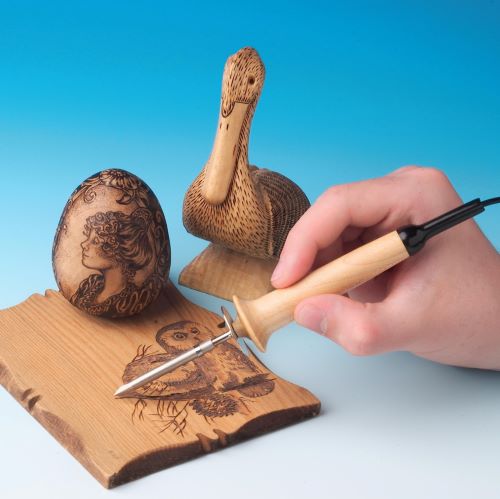
You can create a fish from a piece wood by using a woodburner and shade it. It can be protected with a clear coat of sealer. Here's how:
How to make a wood-burning fish
The first step in woodburning a woodfish design is to draw it onto a piece of smooth wood. Smooth wood is easier to burn than rough wood, so you'll want to make sure your piece of woodburning is as smooth as possible. Tape a piece of tracing paper over the top of the wood. Next, use an HB pencil to draw a picture with your fish.
You can start by making a simple cartoon fish. This design is great for beginners. It can be made in small or large quantities using coloring pages. A swirling watercolor background can add color to your woodburning. The perfect medium to make the background more vibrant is watercolor paints. Once you're happy with the design, you can put it in a frame.
A whole fish can also be cooked on a wood stove. A whole fish is more satisfying than a filet. Wrap it in foil to prevent it from falling apart during cooking. The size of the fish, thickness of the foil and heat of the wood stove will all affect how long it takes to cook. Depending on the size of your fish, you can cook it for about five to ten minutes, but keep in mind that the longer you cook it, the less likely it is to burn.
How to shade a fish that is wood-burning
A variety of techniques can be used for shading a wood-burning fish. One easy technique is to use white charcoal pencils to draw dots or lines on the tail. These marks can be burned away using a wood burning iron. This technique can be used for small areas or larger designs. You can also use a writer pen tip to burn into the fins of the fish and the lake water to the right of the spray.
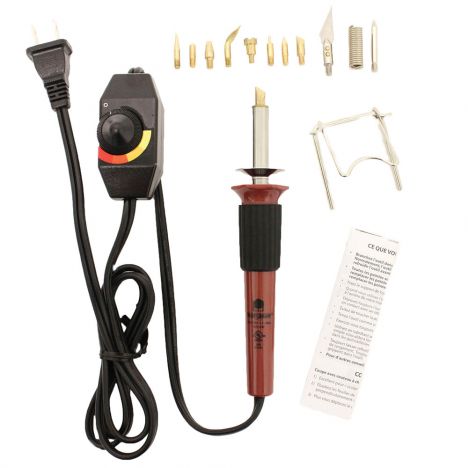
Gradient shading gives you the ability to create realistic-looking fish. First, shade the edges of your fish. Then go in and shade any details you've already created. To make your fish look rounder, you can shade the parts closest to the viewer and darken the ones farther away. Gradually shading can be used to shade the gills or the bottom of your bobber.
Pointillism is a more advanced technique. Pointillistic shading creates a dramatic face. The dots vary in size as well as density giving the fish depth. A tuna is a popular fish, and a woodburning pattern that depicts a realistic tuna fish can add a lot of detail. Soft shading is another technique. A soft shading method produces a soft drawing effect, while a hard shader tip creates a rough burn that is difficult to erase.
How to apply clear sealer to a wood burning fish
While mastering the art of pyrography may be an easy task, a final step is applying a water-resistant finish. Sealants protect your wood burning project and give it a professional look. You may be unsure what kind of stain you should use if you are considering adding a stain on your woodburning project. To prevent cracking, apply 2 to 3 coats of oil. Allow each coat to dry for 15 to 30 minutes before applying a second coat. A "shell", which will keep water out, can be created by applying multiple coats.
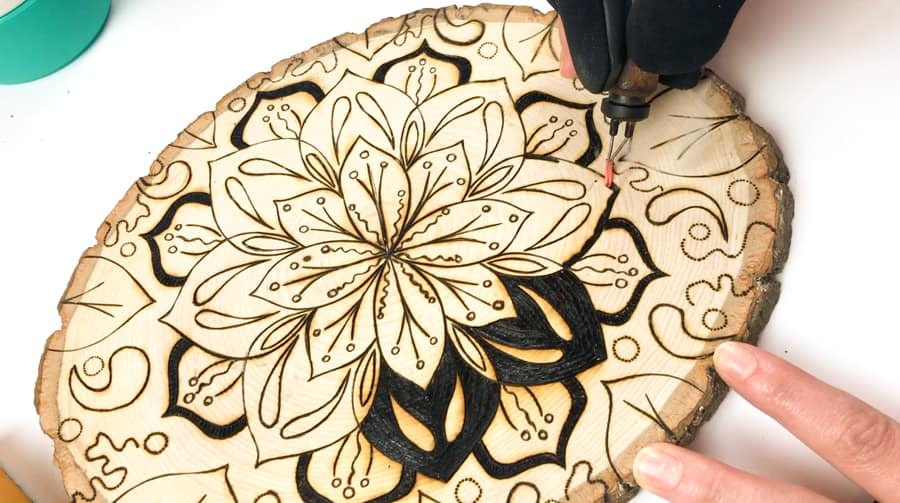
Apply the clear sealer using a universal tip brush to all parts of the fish. Make sure you leave some woodburner open. Then switch to flow point. The back of the fish and the edges should be finished with clear coat. After the woodburning has dried completely, apply the clear finish.
You can apply the clear oil to your woodburning fishing fish the same way you applied the oil to your furniture. Allow the sealer to dry on the surface. Continue this process if you need to. If the wood absorbs more oil, the finish will be less durable. The clear sealer can be used to protect your fish if you plan on leaving it outside for a while.
FAQ
This is a job that I can make a living from.
Yes! In fact, many woodworkers already do. According to the U.S. Bureau of Labor Statistics (BLS), the median annual wage for woodworkers was $34,000 in May 2012. This is much higher than the national median of $31,000 per annum.
Where do you start when it comes to woodworking?
Learning how to build furniture is the best method. You'll need tools, and you'll have to make mistakes along the way, but if you keep at it, you'll eventually figure out what you're doing.
Choose a project that interests you. You could make something as simple or complex as a box. Or you could build a whole entertainment center. Once you've settled on a project find a local skilled woodworker. Ask them for their advice about the tools and where they can be found. Maybe you can ask the person if they know of anyone who does this sort of work.
How do I know what tools are best suited for me?
It helps to reflect on your needs and preferences before you shop for tools. Do you prefer metal handles or plastic? What size of nails and screws do your hands use most? Do you prefer hand tools over power tools?
Statistics
- If your lumber isn't as dry as you would like when you purchase it (over 22% in Glen Huey's opinion…probably over 10-15% in my opinion), then it's a good idea to let it acclimate to your workshop for a couple of weeks. (woodandshop.com)
- Woodworkers on the lower end of that spectrum, the bottom 10% to be exact, make roughly $24,000 a year, while the top 10% makes $108,000. (zippia.com)
- The best-paid 10 percent make $76,000, while the lowest-paid 10 percent make $34,000. (zippia.com)
- The U.S. Bureau of Labor Statistics (BLS) estimates that the number of jobs for woodworkers will decline by 4% between 2019 and 2029. (indeed.com)
External Links
How To
How to drive a nail through wood
It is essential to pick the right size and style of hammer before you can drive a nail in wood. There are many types of hammers that you will find: claw hammers and sledgehammers; mallets; ball peen hammers; and hatchets. Each type of hammer has its pros and cons. A claw hammer, for example, is the best choice if you need to hit nails hard. However, it's not easy to know exactly where the impact will land. A sledgehammer is great for hitting large areas at once, but it's too heavy to use effectively for smaller tasks.
After choosing the right hammer, place your hand flat against the side of the head so that the handle rests comfortably in your palm. Take the handle and hold it with both hands. But don't press down so hard you injure yourself. Keep your wrist relaxed and the hammer straight up. Then swing the hammer back toward the ground, aiming for the center of the nail. You should feel the impact on the nail from the hammer. Practice swinging your hammer on a block of wooden until you feel comfortable.
Once you are ready to drive the nail, place the hammer close to your body. You will need to position the nail so it is parallel to the wood. Keep your attention on the tip. Then, swing the hammer forward. Next, follow the motion of your hammerhead. This can be repeated several times to increase the speed of your swing. Once you have mastered this technique, increase the power of your swings. Try holding the hammer above your shoulder and bring it down forcefully. You'll have more energy to work with.
After you have nailed the hole, take the hammer off the nail. Use a pry bar or screwdriver to pull out the rest of the nails. To prevent splitting the wood, ensure you keep the nail heads flush against the board's surface.